
Overview
Essential thrombocythemia is a myeloproliferative neoplasm (MPN) in which the bone marrow makes too many platelets, increasing the risk of blood clots (thrombosis) and, less commonly, abnormal bleeding. Many people are diagnosed after a routine blood test shows a high platelet count; some have no symptoms at first.
ET is typically a chronic condition. With appropriate management, most patients can live long, full lives.
What causes ET?
ET results from acquired (not inherited) changes in bone‑marrow stem cells that drive over‑production of platelets.
The most common gene changes affect the JAK‑STAT pathway, involving JAK2 (~60% of cases), CALR (~20–25%), and MPL (~3–5%); together, such mutations are found in ~90% of ET. In some individuals, the exact trigger for these mutations is unknown.
ET is distinct from reactive (secondary) thrombocytosis, which is a high platelet count due to another condition like infection, inflammation, or iron deficiency.
Common Symptoms
Many people have no symptoms initially. When symptoms occur, they’re often related to clotting or microcirculatory issues and can include:
Headache, dizziness, vision changes
Burning pain, redness, or tingling in hands/feet (erythromelalgia)
Numbness/tingling in fingers or toes; chest pain or shortness of breath
(clot location dependent)
Easy bruising, nose or gum bleeding
especially when platelet counts are very high (acquired von Willebrand dysfunction)
Splenomegaly
(enlarged spleen) in some patients
Pregnancy: ET can increase clotting risk during pregnancy; specialized management is recommended.
How We Diagnose ET
Your care team will evaluate for persistent platelet count ≥450 × 10⁹/L and exclude secondary causes (e.g., inflammation, iron deficiency, infection). Work‑up typically includes:
CBC with differential and peripheral smear
Genetic testing
for JAK2, CALR, MPL mutations
Bone marrow biopsy
to confirm an MPN and rule out related disorders (PV, MF, CML)
Specialists also assess thrombosis risk (prior clot, age >60, JAK2 mutation, cardiovascular risk factors) to guide therapy.
Treatment Goals
- Prevent blood clots/bleeding
- Relieve symptoms
- Lower platelet count when needed
Some patients—especially younger, asymptomatic, low‑risk individuals—may only need observation and low‑dose aspirin.
Medications & Procedures
Living With ET (R)
Most MDS cases have no known cause, but several factors can contribute:
Thrombosis & bleeding
ET increases the risk of arterial (e.g., stroke, heart attack) and venous clots; paradoxically, bleeding can occur with very high platelets. Managing cardiovascular risks (blood pressure, diabetes, lipids; smoking cessation) is essential.
Long‑term outlook
Many patients have near‑normal life expectancy, especially at younger ages; transformation to myelofibrosis or acute leukemia is uncommon but possible.
Follow‑up
Regular monitoring of counts, symptoms, iron status, and medication effects helps keep ET controlled and complications low.
When To See Your Provider
Seek urgent care if you notice:

Stroke‑like symptoms
(sudden weakness or trouble speaking)
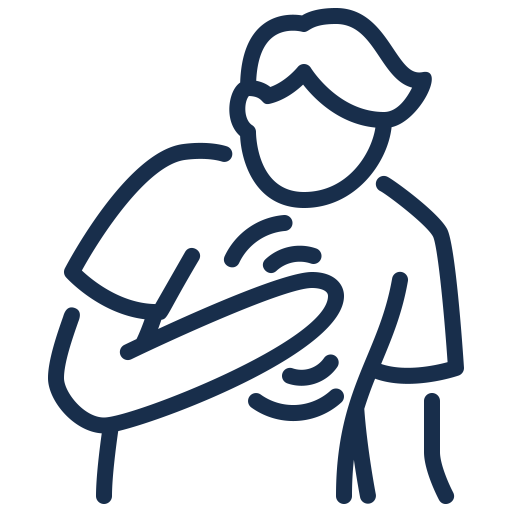
New chest pain/shortness of breath
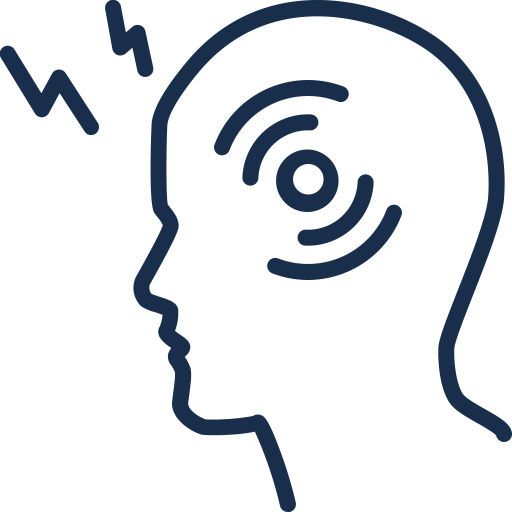
Sudden severe headache

Painful color changes in fingers/toes

Unusual/prolonged bleeding
These may signal a clot or bleeding event requiring immediate attention.
Why Choose Illinois CancerCare
A blood disorder diagnosis can feel overwhelming. At Illinois CancerCare, we are committed to ensuring you never have to face it alone. Providing advanced, comprehensive hematology and oncology care for our patients is at the heart of everything we do. Since 1977, our specialists have focused on individualized, evidence-based treatment plans, access to world-class clinical trials, and thorough follow-up. With Illinois CancerCare, you can move forward with confidence knowing trusted expertise and compassionate support are always close to home.‑based treatment plans, access to world‑class clinical trials, and thorough follow‑up.
Sources & Patient Friendly References
Information sourced from Johns Hopkins Medicine, Mayo Clinic, Cleveland Clinic, and NIH (National Institute of Health).